The Grooming Manual
Why Is My Skin So Oily?

It can get frustrating to feel like, no matter what you do, your face is glistening and greasy by midday. Oily skin is often just a result of genetics. But there are also outside factors that could be making your skin greasy, and if you address those, you may be able to stop your face from producing extra oil.
With the right skincare and grooming routine, you can clean out your pores, balance oil production, and keep the grease away. And it doesn't need to take more than a few minutes. Once you know the right habits to build, you can take total control of your skin and look your best every day.
What Causes Oily Skin?
Your skin gets oily when its sebaceous glands, which are responsible for producing the natural oil production that keeps your skin hydrated, get overactive. They even work as you sleep, which is why your skin is so oily when you wake up sometimes. This could happen because of your genetics or your environment.
Can Oily Skin Be a Permanent Skin Type?
Yes, if you have a genetic trait that causes your oil glands to overproduce, then it is a permanent skin type.
- Your DNA dictates the size of your pores and the amount of oil your face produces.
- Because men typically have thicker skin than women, they're naturally more prone to greasy skin.
- Guys tend to struggle more with clogged pores too.
Can Oily Skin Be a Temporary Condition?
Oily skin can be temporary if the increase in sebum production is caused by external factors. If you find yourself asking, "why is my skin so oily all of a sudden," think about whether you've been exposing yourself to any of the following:
- Hot, humid weather, which triggers your sebaceous glands to produce more oil to try to protect your skin from the temperature.
- Harsh skin products, which strip moisture from your skin, causing it to pump out more grease to compensate.
- High stress and poor diet, which both trigger your hormones, and in turn activate your sweat glands.
How Do Hormones Affect Oil Output?
Hormones tell your body how much oil your glands should be producing every day. Testosterone, in particular, signals the sebaceous glands to work harder.
When your body is producing more hormones — which it does during periods of high stress, workouts, or changes in your sleep schedule — you tend to get greasier and more clogged pores. As you age, your body can also undergo hormonal fluctuations that affect your skin, which could explain why some men ask "why is my skin so oily in my 40s?"
The main hormones that affect oil output include:
- Androgens (like testosterone): These bind with your sebaceous glands, making them bigger, which causes them to produce more oil.
- Cortisol: Known as the stress hormone, cortisol stimulates the adrenal gland, which in turn tells your oil glands to work harder and increase sebum production.
- Thyroid hormones: These make your cells work faster, causing your oil glands to increase their production rate as well.
How Does Environment Cause Extra Shine?
Your environment can either directly influence your glands to increase sebum production or clog your pores to trap more grease on your skin. For example:
- Heat triggers your oil glands to work harder.
- High humidity slows down sweat evaporation, trapping grease on your skin.
- Cold air and indoor heating dry your skin out, so it needs to make extra grease to protect itself.
- Pollution and city debris collect in your pores, clogging them and keeping your natural oils trapped.
How Should You Treat Oily Skin?
The best skincare for oily skin calls for a gentle grooming routine that gets rid of extra grease without drying you out.
What Is the Best Face Wash for Oily Skin?
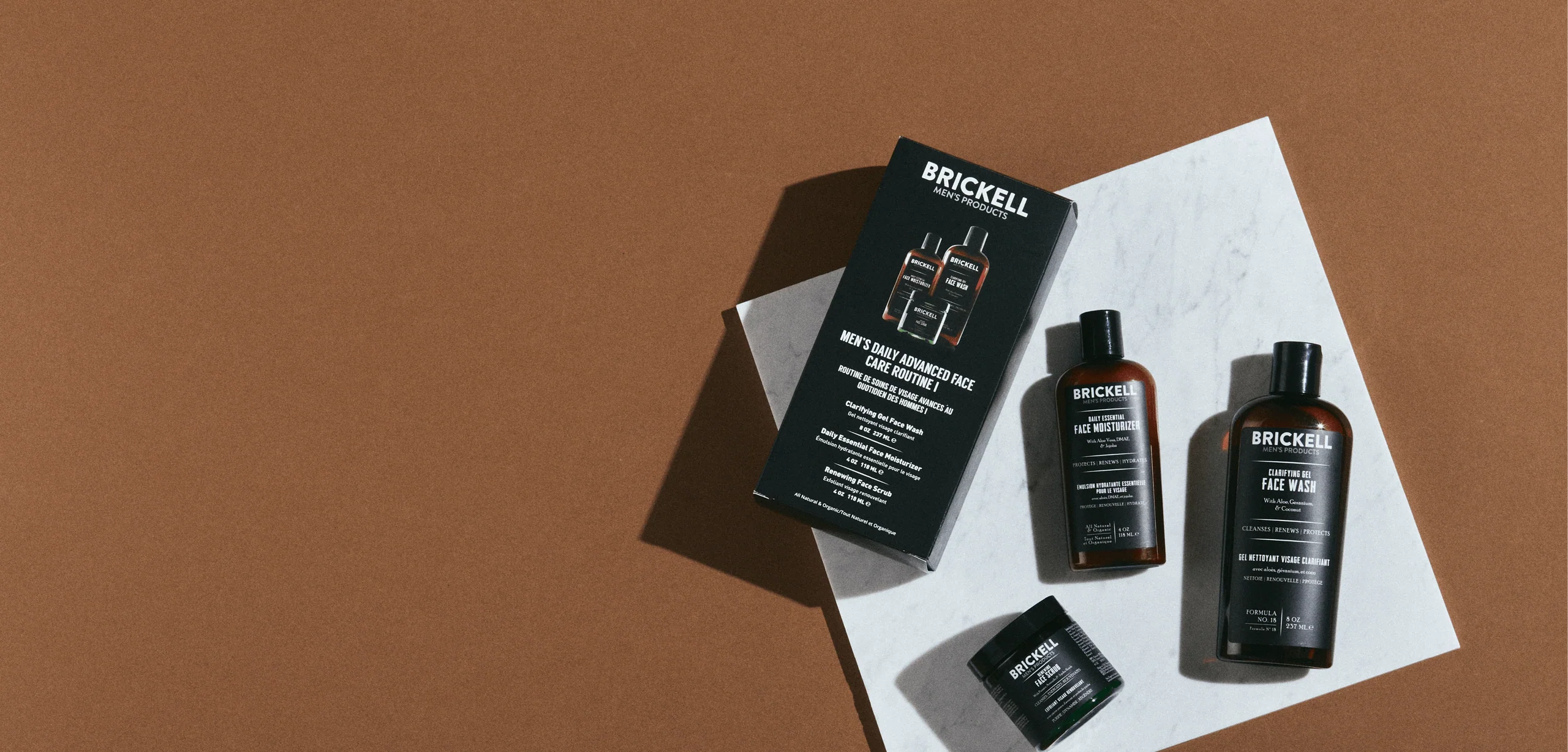
Deep cleansers like our Clarifying Gel Face Wash are the best answer for oily skin.
- Its formula cuts through buildup without leaving your face tight or dry.
- Gentle plant cleansers and aloe vera get rid of dirt and soothe red skin.
- Wash twice a day — morning and night — to keep your pores clean and clear.
What Is the Best Moisturizer for Oily Skin?
You want a light lotion to tackle oily skin. Make sure to apply it after you shower and any time you notice your skin drying out, so your body doesn't feel like it needs to overproduce to protect itself.
Our Daily Essential Face Moisturizer is packed with:
- Hyaluronic acid that pulls moisture deep into your skin cells
- Green tea to build an antioxidant shield from dirt and damage
- Jojoba oil that mimics your natural oils to trick your skin into slowing down its oil production.
Remember, hydrated skin is less likely to become overly greasy.
What Is the Best Skincare Routine for Oily Skin?
The best routine to tackle oily skin is as simple as washing and moisturizing your face twice a day, morning and night.
- Start with your deep cleanser, then immediately apply some moisturizer to lock in the fresh hydration.
- After that, Balancing Toner refreshes your skin, shrinking your pores to minimize oil.
- Two to three times a week, use Renewing Face Scrub to exfoliate your skin, getting rid of the dead skin cells before they have a chance to clog your pores.
Why Is Toning Important for Oily Skin?
Toning cleans off lingering dirt and helps to reset your skin's natural oil balance. A quick spray of toner gets rid of leftover residue after you wash your face, shrinking the appearance of enlarged pores and cutting through surface shine without burning your skin. Think of it like an instant matte finish that cuts the shine for hours.
What Should You Avoid with Oily Skin?
Harsh skin products and heavy scrubbing are bound to make your skin more oily since they damage your skin barrier. You need to be gentle with your skin so you can keep the good moisture on it, otherwise it panics and floods your face with even more grease than you had before you started scrubbing.
Should You Avoid Alcohol-Based Toners?
Alcohol-based toners are a big no-no for people with oily skin. They strip your surface oil away instantly and irritate your skin, forcing your glands to double their oil production to recover.
Cheap drugstore toners are particularly harsh, using heavy denatured alcohol that may make your face feel dry for a few minutes but also irritates your skin, leaving your face red and blotchy for way longer.
Is It Bad to Wash Your Face Too Much?
Yes, overwashing can make oily skin and other skin concerns worse. Though you might be tempted to wash your face more than a couple of times a day to keep grease at bay, it actually interferes with your skin's balance.
- Your skin needs the natural oils it produces to protect it.
- When you scrub your face every time you see a bit of shine, you're forcing the skin to produce more and more, so you're left wondering "why is my skin shiny but not oily?"
- Scrubbing your face too often also irritates the skin, making it sensitive and more likely to get inflamed.
- Stick to a twice-a-day schedule and you'll get much better results.
Is It Okay To Skip Moisturizer Sometimes?
Even if your skin feels oily or greasy, it's never a good idea to skip moisturizer. If you don't hydrate your body, it'll keep producing oil like your skin is dried out. You have to give it a reason to think it doesn't need to work so hard.
Some lotions do leave your face greasier, but that's because they use heavy, oily formulas. If you pick the right one, it'll absorb into your skin fast, keeping your skin hydrated without leaving a greasy sheen behind.
Is It a Problem to Use Cheaper, Synthetic Products?
Cheaper products with synthetic ingredients are more likely to damage your skin than help it. Rather than absorbing into your skin, the heavy waxes, parabens, and silicones in cheaper skin products sit on top of the skin like a layer of plastic. You can imagine the problems:
- Blocked Pores: Synthetic waxes and silicones create a heavy film that clogs your pores.
- Trapped Sweat: Heavy drugstore creams trap heat and moisture underneath them, creating more slick spots.
- Skin Flare-ups: Artificial fragrances and synthetic additives irritate the skin, leading to more redness and breakouts.
Oily Skin FAQs
How Often Should You Wash Oily Skin?
You should wash your skin twice a day — once in the morning and once at night. If you do more than that, you're likely to strip away the good moisture, forcing your skin to put out more oil.
If you work out in the middle of the day, just rinse your face with cool water right after so you don't sweat too much.
Does Drinking Water Help Reduce Oily Skin?
Yes, staying hydrated has a big impact on your skin. Greasy skin is the result of your body overcompensating because your skin isn't hydrated enough, so drinking more water helps to counter that.
Should You Use Hot Water to Wash an Oily Face?
Hot water does more damage than good for oily faces. Heat irritates your skin and stimulates your oil glands, leading to flare-ups and shinier skin once you've dried off. Stick to cool or lukewarm water instead.
Can Stress Cause Sudden Oily Skin?
Yes, high stress makes your skin oilier because it increases the cortisol in your body, which tells your glands to put out more oil. Hormonal changes and hormone levels both affect your skin. Try to reduce your daily stressors to de-grease your face.
Why Is My Skin Oily Even After Moisturizing?
If your skin is still oily after moisturizing, you may be using the wrong kind of moisturizer. Take a look at the ingredients. If you see mostly artificial ingredients, like waxes and parabens, those sit on top of your skin instead of absorbing into it, trapping sweat and gunk on top of your pores.